Undergoing surgery is a significant event for your body, regardless of whether it was a planned cosmetic enhancement or a necessary medical procedure. While the surgeon’s work is done once the incisions are closed, your body’s work is only just beginning. Most people focus heavily on the day of the operation, but the weeks that follow are what truly define your results. This is where many people in Scotland are discovering that Post Operative Massage Glasgow is a vital component of the healing process rather than just an optional luxury.
After surgery, the body naturally responds with inflammation. This is a protective mechanism, but it often leads to significant swelling, bruising, and the accumulation of fluid known as seromas. If this fluid isn’t managed correctly, it can lead to discomfort, prolonged healing times, and even affect the final aesthetic outcome of the surgery. Specialised post-operative care, specifically Manual Lymphatic Drainage (MLD), helps to move this stagnant fluid back into the lymphatic system, allowing the body to process and eliminate it more efficiently.
Understanding the role of the lymphatic system in healing
To understand why post-operative massage is so effective, it helps to know a little bit about how your body handles waste. The lymphatic system is like your body’s secondary circulatory system. It’s responsible for moving lymph—a clear fluid containing white blood cells—throughout the body and filtering out toxins. Unlike your blood, which is pumped by the heart, the lymphatic system doesn’t have a central pump. It relies on muscle movement and breathing to keep things flowing.
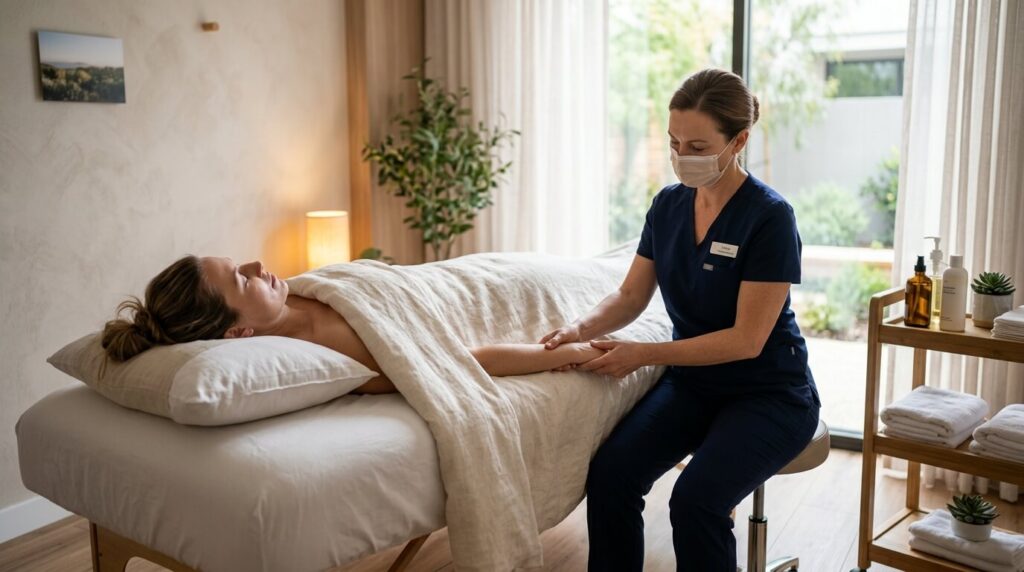
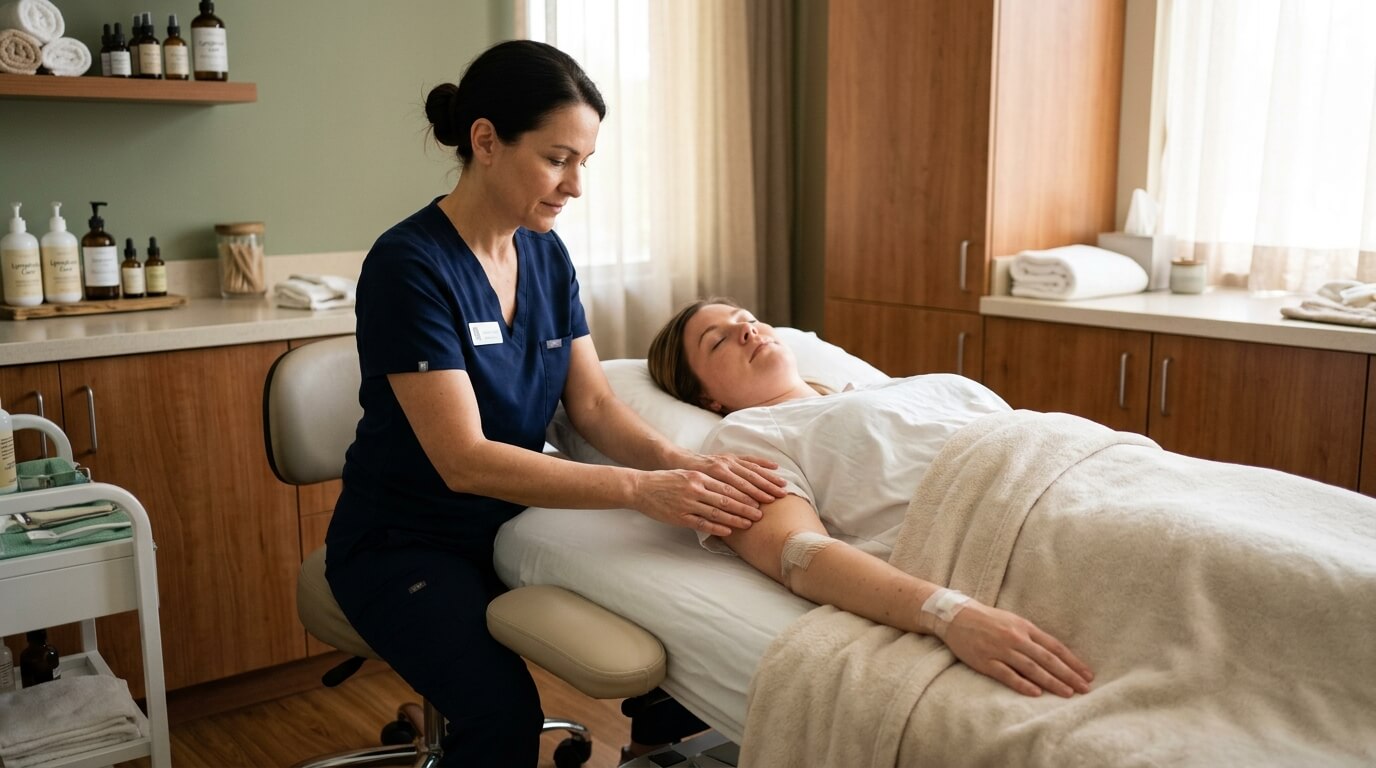
When you’ve had surgery, your movement is usually restricted, and the tissues have been traumatised. This causes the lymphatic system to become overwhelmed and sluggish. By opting for a professional Post Operative Massage Glasgow, you are essentially providing a manual pump for your lymphatic system. The therapist uses very light, rhythmic strokes to encourage the fluid to move toward the lymph nodes, where it can be filtered and drained. This isn’t like a deep tissue massage you might get at a spa; it is a highly specialised, gentle technique designed specifically for compromised tissues.
The primary benefits of specialised post-surgical care
- Reduced Swelling and Oedema: By stimulating fluid drainage, you can see a visible reduction in swelling often after just one or two sessions.
- Pain Management: Much of the pain following surgery comes from the pressure of excess fluid on nerve endings. Reducing that pressure naturally lowers discomfort levels.
- Prevention of Fibrosis: After procedures like liposuction, there is a risk of the tissue becoming hard or ‘lumpy’ (fibrosis). Regular massage helps keep the tissue supple and smooth.
- Faster Bruising Resolution: Increased circulation helps the body reabsorb the blood that causes bruising, leading to clearer skin much sooner.
- Improved Immune Response: By clearing out metabolic waste and toxins, your immune system can focus entirely on repairing the surgical site.
Why this is particularly important for cosmetic surgery patients
In Glasgow, there has been a significant rise in the popularity of body contouring procedures such as liposuction, tummy tucks (abdominoplasty), and Vaser lipo. While these surgeries can produce incredible results, they are particularly taxing on the lymphatic system. In liposuction, for example, the space between the skin and the muscle is disrupted, creating a ‘pocket’ where fluid can easily collect.
Patients who invest in Post Operative Massage Glasgow often report that their final results are smoother and more defined. Without this intervention, the fluid can sometimes harden, leading to a wavy or uneven appearance on the skin’s surface. Surgeons often recommend starting these treatments as early as three to five days after surgery, depending on the specific procedure and the patient’s individual health, to ensure the tissue remains soft and the recovery stays on track.
What to expect during your first session
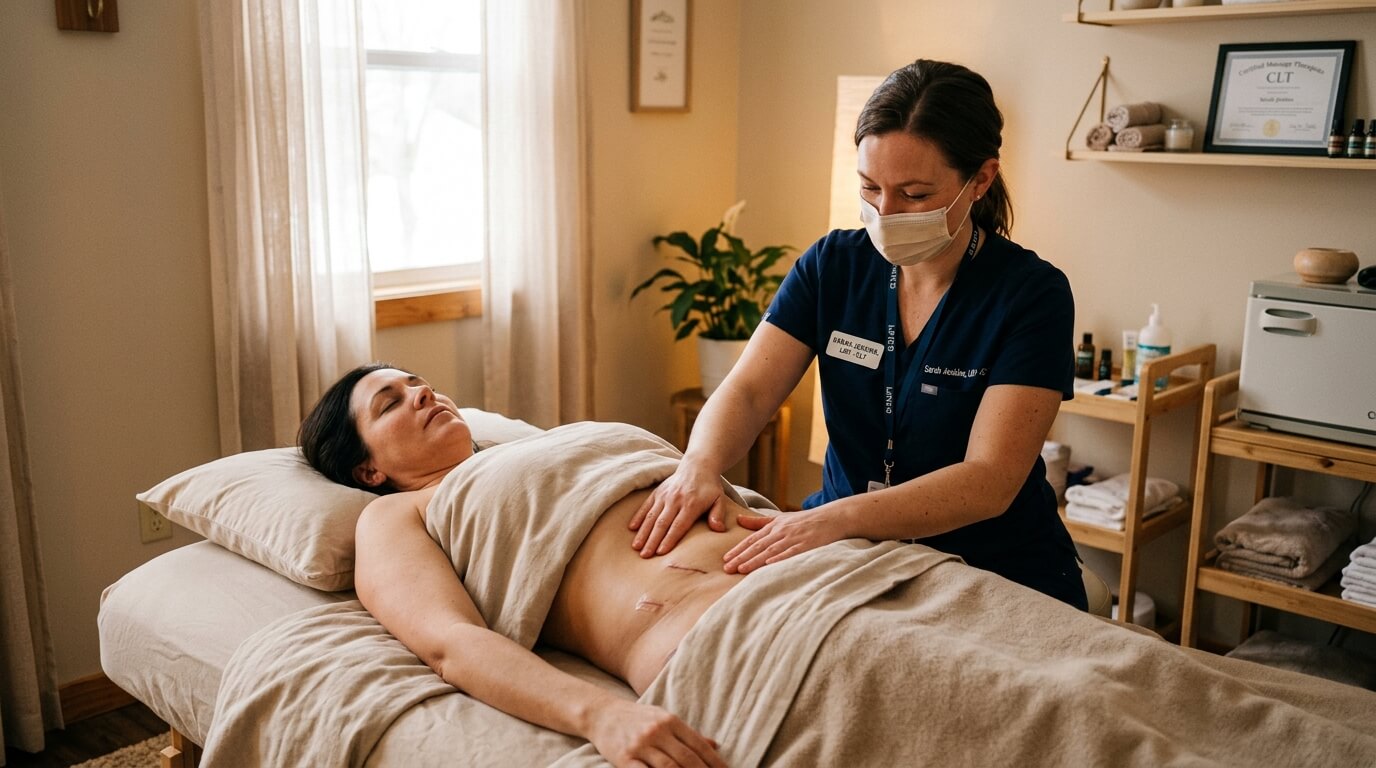
If you have never had a lymphatic drainage massage before, you might be surprised by how gentle it is. Many people expect a firm pressure to ‘push’ the fluid out, but the lymphatic vessels are located just beneath the surface of the skin. Applying too much pressure can actually collapse these tiny vessels, making the treatment less effective. A typical session in a Glasgow clinic will involve you lying comfortably while the therapist uses specific, light hand movements to clear the ‘drains’ (the lymph nodes in the neck, armpits, and groin) before moving the fluid from the surgical site toward those nodes.
It is a very relaxing experience, and many patients find themselves drifting off to sleep. Because the treatment helps the body detoxify, it is common to feel a bit thirsty or need to use the bathroom more frequently immediately after the session. This is a good sign—it means your body is successfully processing the excess fluid that was previously trapped in your tissues.
How to prepare for your recovery appointments
- Stay Hydrated: Drinking plenty of water before and after your appointment helps the lymphatic system flush out toxins.
- Wear Comfortable Clothing: You’ll want something easy to get in and out of, especially if you are wearing compression garments.
- Follow Surgeon Advice: Always ensure your surgeon has cleared you for massage before your first appointment.
- Consistency is Key: While one session helps, a series of treatments (often 6 to 10) is usually recommended for the best results.
Choosing the right specialist in Glasgow
When searching for a provider, it is crucial to find someone who understands the complexities of post-surgical recovery. You aren’t just looking for a massage therapist; you are looking for someone who understands the anatomy of the lymphatic system and the specific requirements of different surgical procedures. A therapist trained in post-operative care will know how to work around incisions, manage drains if you still have them, and identify any signs of complications like infection or seromas that might need medical attention.
The local expertise available in Glasgow means that patients don’t have to travel far to find high-quality care. Many clinics specialise in this niche area, providing a bridge between the operating theatre and your return to normal life. By incorporating these sessions into your recovery plan, you are giving your body the best possible chance to heal correctly, reducing the ‘down time’ and allowing you to enjoy your results much sooner.
The long-term impact on scar tissue and skin health
Beyond the immediate reduction in swelling, post-operative massage plays a long-term role in scar management. As the body heals, it produces collagen to close the wounds. Sometimes, the body produces too much, or the fibres are laid down in a haphazard way, leading to thick or restricted scars. Gentle manipulation of the tissues around the scar site helps to ensure the skin remains mobile and the scar tissue stays flat and soft.
This is particularly beneficial for surgeries involving long incisions, such as tummy tucks or breast augmentations. By improving the local circulation, the skin receives a better supply of oxygen and nutrients, which are essential for healthy cellular turnover. This often results in scars that fade more quickly and skin that feels more natural and less tight as the months go by. It’s an investment in the longevity of your surgical outcome, ensuring that the skin and underlying tissues adapt well to the changes made during the procedure.

Alane Lander covers a wide range of topics, providing balanced reporting and thoughtful perspectives on trending issues.