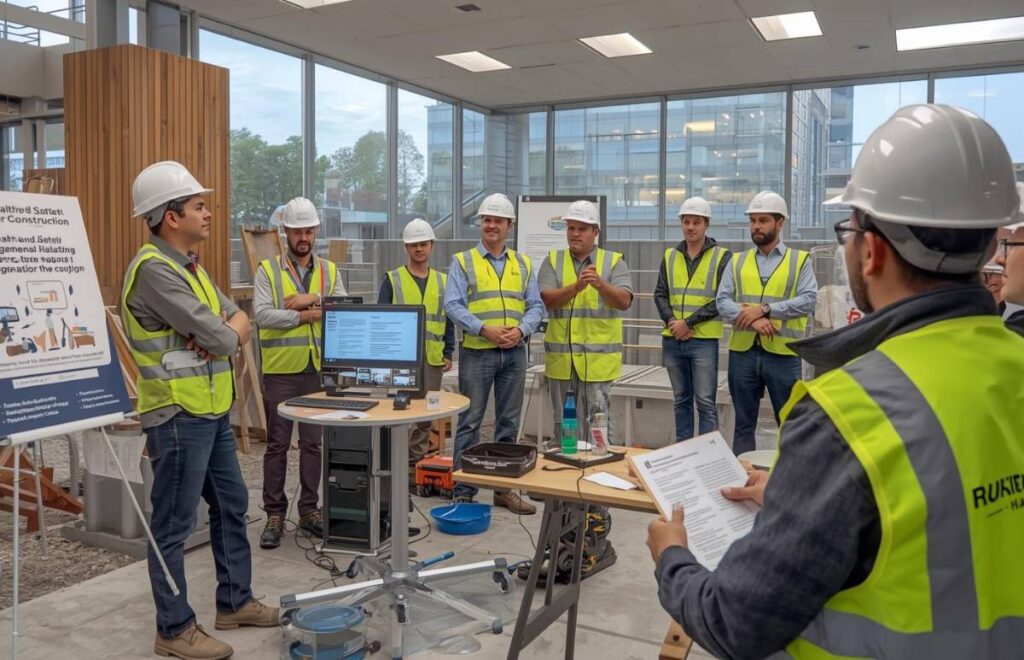
Understanding the shift in construction safety standards
The construction industry has always been a fast-paced and demanding environment. For years, many people working on site relied purely on experience and ‘common sense’ to manage safety. However, as the industry has evolved and regulations have become more stringent, simply knowing how to do the job isn’t enough anymore. Nowadays, the industry demands a formalised understanding of risk management and legal compliance. This is where the NEBOSH Construction certificate comes into play, acting as a bridge between practical site experience and professional safety management.
For many site managers, supervisors, and aspiring safety officers, pursuing this qualification isn’t just about adding another line to a CV. It is about gaining a deeper insight into how to keep people safe while maintaining the momentum of a project. The course focuses on the UK’s legal framework, particularly the Construction (Design and Management) Regulations 2015, which are the backbone of safety in the British building sector. Understanding these regulations is vital for anyone who wants to take their career to the next level and ensure that their projects are both safe and legally sound.

What does the qualification actually cover?
When you decide to take on the NEBOSH Health and Safety Management for Construction (UK), you aren’t just sitting in a classroom listening to lectures. The syllabus is designed to be highly practical and aligned with the real-world challenges faced on a modern construction site. It covers a broad range of topics that are essential for effective site management. The focus is on identifying hazards, assessing risks, and implementing control measures that actually work in a high-pressure environment.
The core of the syllabus revolves around several key areas that every construction professional should be familiar with. These include:
- The roles and responsibilities of the client, principal designer, and principal contractor under the CDM 2015 regulations.
- How to develop and implement a site-specific health and safety plan.
- Managing common construction hazards such as working at height, excavations, and demolition.
- Understanding the importance of welfare facilities and the health of the workforce, including mental health and well-being.
- The legal requirements for plant, machinery, and electrical safety on site.
By covering these areas, the course ensures that candidates have a holistic view of site safety. It moves away from just ‘ticking boxes’ and encourages a proactive approach to hazard management. This level of detail is why the qualification is so highly regarded by employers across the UK and beyond.
Who is this course really for?
A common misconception is that this qualification is only for people who want to become full-time health and safety advisors. While it is certainly the gold standard for that career path, it is equally valuable for anyone in a position of responsibility on a construction site. Site managers, project managers, and even small business owners who act as principal contractors find that the knowledge gained is invaluable for their day-to-day operations.
If you are looking to move from a trade background into a supervisory role, having this certificate on your record shows that you take your responsibilities seriously. It demonstrates a level of professional maturity that is highly sought after by major contractors and developers. In an industry where competition for high-level roles is fierce, having a recognised qualification like this can be the deciding factor in a successful job application.
The transition to the Open Book Exam
In recent years, the way the assessment is carried out has changed significantly. Gone are the days of sitting in a cold exam hall trying to memorise every single regulation by heart. The current assessment for the NEBOSH Construction certificate is an Open Book Exam (OBE). This change was designed to better reflect how safety professionals work in the real world. In a real-life situation, you have access to the internet, books, and colleagues; the skill lies in how you apply that information to a specific scenario.
The OBE presents candidates with a realistic case study based on a fictional construction project. You are then asked a series of questions that require you to apply your knowledge to the problems presented in that scenario. This approach tests your understanding and your ability to think critically, rather than just your ability to recall facts. While some might think an open-book exam is ‘easier,’ it actually requires a much higher level of comprehension and the ability to articulate complex safety concepts clearly.
Why the industry still values this qualification
You might wonder why this specific qualification remains so popular despite the availability of shorter, cheaper safety courses. The answer lies in the rigour of the training and the reputation of NEBOSH as an awarding body. Employers know that someone who has successfully completed this course has a solid foundation in safety management. It provides a level of assurance that the individual can handle the complexities of a modern site and help the company remain compliant with the law.
Furthermore, many large-scale projects and government contracts require key personnel to hold specific qualifications. Having the certificate can open doors to working on major infrastructure projects, high-rise developments, and specialised civil engineering works. It is often a prerequisite for obtaining certain levels of professional membership with organisations like IOSH (Institution of Occupational Safety and Health), which further enhances your professional standing.
Practical benefits for the daily routine
Beyond the career progression and the certificates, there are very practical reasons to invest the time in this training. When you understand the ‘why’ behind safety procedures, you become much better at communicating them to your team. Instead of just telling workers to wear their PPE or follow a permit-to-work system because ‘it’s the rule,’ you can explain the specific risks they are facing and how the controls protect them. This leads to better engagement from the workforce and a stronger safety culture on site.
Additionally, the skills you learn in risk assessment and hazard identification can actually make a site run more efficiently. By identifying potential issues before they become accidents, you avoid the costly delays, investigations, and potential legal fees that follow a site incident. A safe site is almost always a productive and profitable site, and the training provided by this course helps you achieve that balance.

How to prepare for success
Taking on a qualification of this level requires a commitment of time and energy. It isn’t something that can be rushed in a couple of days. To get the most out of the experience, it is important to choose a training provider that offers the right level of support. Whether you prefer a structured classroom environment or the flexibility of online learning, you need access to tutors who understand the industry and can provide practical examples that bring the syllabus to life.
When studying, it is helpful to keep the following tips in mind:
- Relate the theory back to your own site experience. If you are learning about excavation safety, think about a project you’ve worked on and how those rules would have applied.
- Practise writing out answers to scenario-based questions. The OBE requires clear, logical explanations, so getting used to this style of writing is essential.
- Stay organised with your study materials. Since the exam is open-book, knowing exactly where to find the relevant information in your notes will save you a lot of stress on the day.
- Engage with your fellow students. Sharing experiences and discussing different approaches to safety problems can broaden your perspective and help you see things you might have missed.
The journey towards qualification is as much about the mindset shift as it is about the knowledge. It encourages a way of thinking that prioritises the well-being of the workforce while recognising the practical realities of construction. As the industry continues to modernise and safety standards are raised even higher, having a solid foundation in health and safety management will remain one of the most valuable assets any construction professional can possess. Taking that step to formalise your experience with a recognised qualification is a clear signal to the rest of the industry that you are a competent, reliable, and forward-thinking professional.

Alane Lander covers a wide range of topics, providing balanced reporting and thoughtful perspectives on trending issues.